
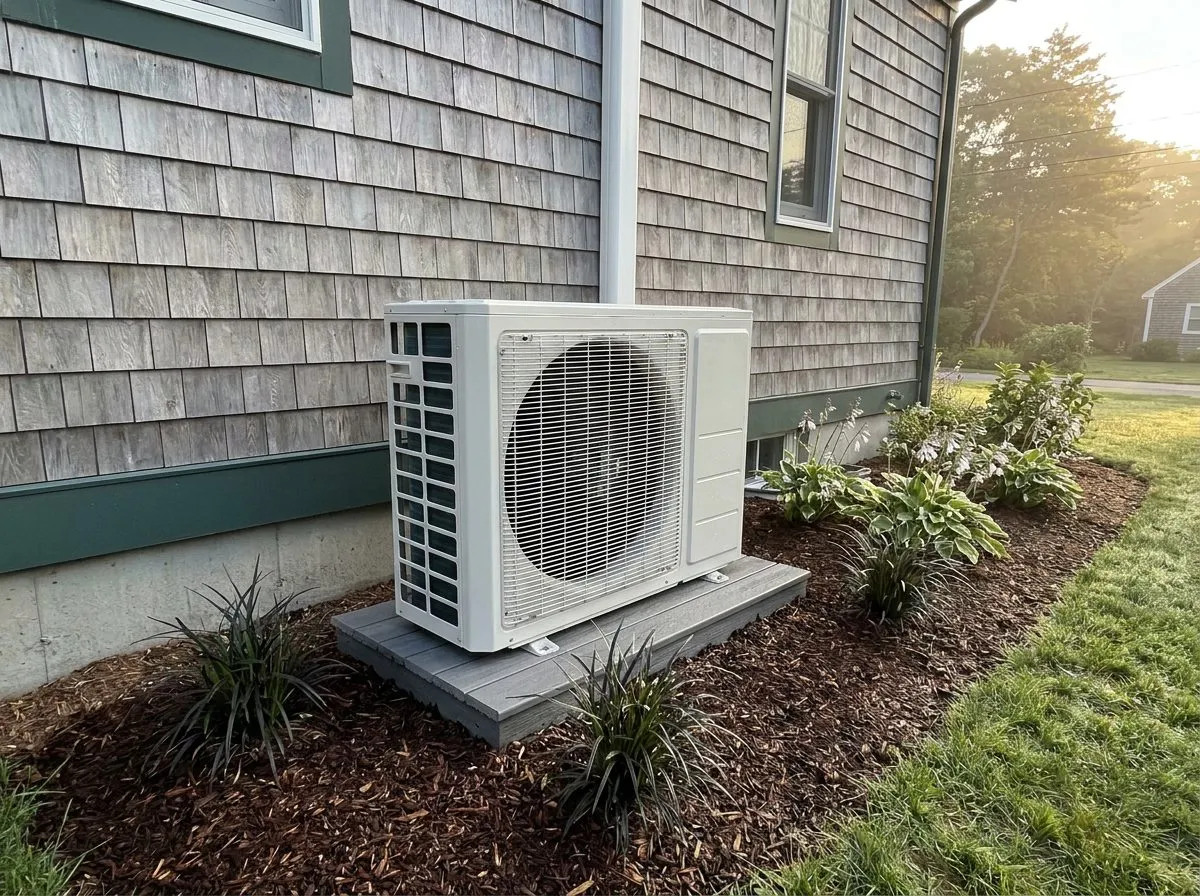
Boston homes run on a genuine mix of heating technology — century-old steam and hot-water boilers, newer forced-air furnaces, and a growing number of heat pumps and mini-splits — and each type fails differently, which shapes how a repair-first approach should actually work.
Boston’s Mixed Housing Stock
Older triple-deckers and single-family homes often still run steam or hot-water boilers original to a much earlier renovation, paired with cast-iron radiators that have quietly done their job for generations. Newer construction and recently renovated units increasingly run heat pumps or ductless mini-splits, which also double as cooling in summer. It’s common for one building to have a mix — a boiler for the main system and a mini-split added later in a renovated unit or addition. Knowing which type of system you have, and its rough age, is the starting point for any repair conversation.
The Repair-First Philosophy
Whatever the system, the same logic applies: fix what can reasonably be fixed, and give an honest answer when it can’t. A boiler or heat pump that’s had one component fail — a circulator pump, an igniter, a capacitor — is usually a repair, not a replacement decision, especially if the rest of the system is in reasonable shape. Replacement enters the conversation when repairs become frequent, a major component like a heat exchanger or compressor is failing, or the system’s overall age means you’re spending real money extending a system near the end of its practical life either way.
How Steam and Hot-Water Boilers Fail
Boiler problems tend to show up as uneven heat, banging or knocking pipes, water leaks, or a pilot or igniter that won’t hold. Steam systems in particular can develop water-level and venting issues that produce that distinctive banging sound as steam moves through pipes that weren’t fully drained. Most of these are diagnosable and repairable without replacing the whole boiler, provided the boiler’s core structure — the heat exchanger itself — is still sound.
How Heat Pumps and Mini-Splits Fail
Heat pump and mini-split issues more often show up as reduced heating or cooling output, a unit that runs constantly without reaching the set temperature, or one that stops entirely. Common causes include refrigerant issues, a failing outdoor unit component, or electrical control problems — all of which require EPA 608 certification to diagnose and repair anything touching the refrigerant side. Because these systems are also electrical by nature, an electrical fault can sometimes present as a heating failure, which is where a technician who covers both sides saves a second visit.
Shoulder-Season Maintenance
Spring and fall — after heating season ends and before cooling season starts, or vice versa — are the ideal windows for a maintenance check, because the system isn’t under active seasonal load and small issues can be caught and fixed before the next season demands full performance. A boiler checked in September, or a heat pump checked in April, is far less likely to fail on the first genuinely cold or hot day of the season.
When to Call, Not Troubleshoot
Checking a thermostat setting or a breaker is fine. Diagnosing a boiler, working with refrigerant, or troubleshooting a heat pump’s electrical controls is licensed and certified work — EMC combines Journeyman Electrician license 56576B, EPA 608 Universal certification, and HVAC repair training specifically to cover Boston’s mixed heating stock under one technician, whichever system your building happens to have.