
Electrical — Generator Installation
Power That Stays On When Boston's Doesn't
Licensed and Insured
MA Journeyman Electrician 56576B · CSL-120231 · HIC-21274.
Upfront Pricing
A straight scope and an honest price before any work starts.
Same-Day May Be Available
Same-week is normal — call for real emergencies.
What Generator Installation Covers
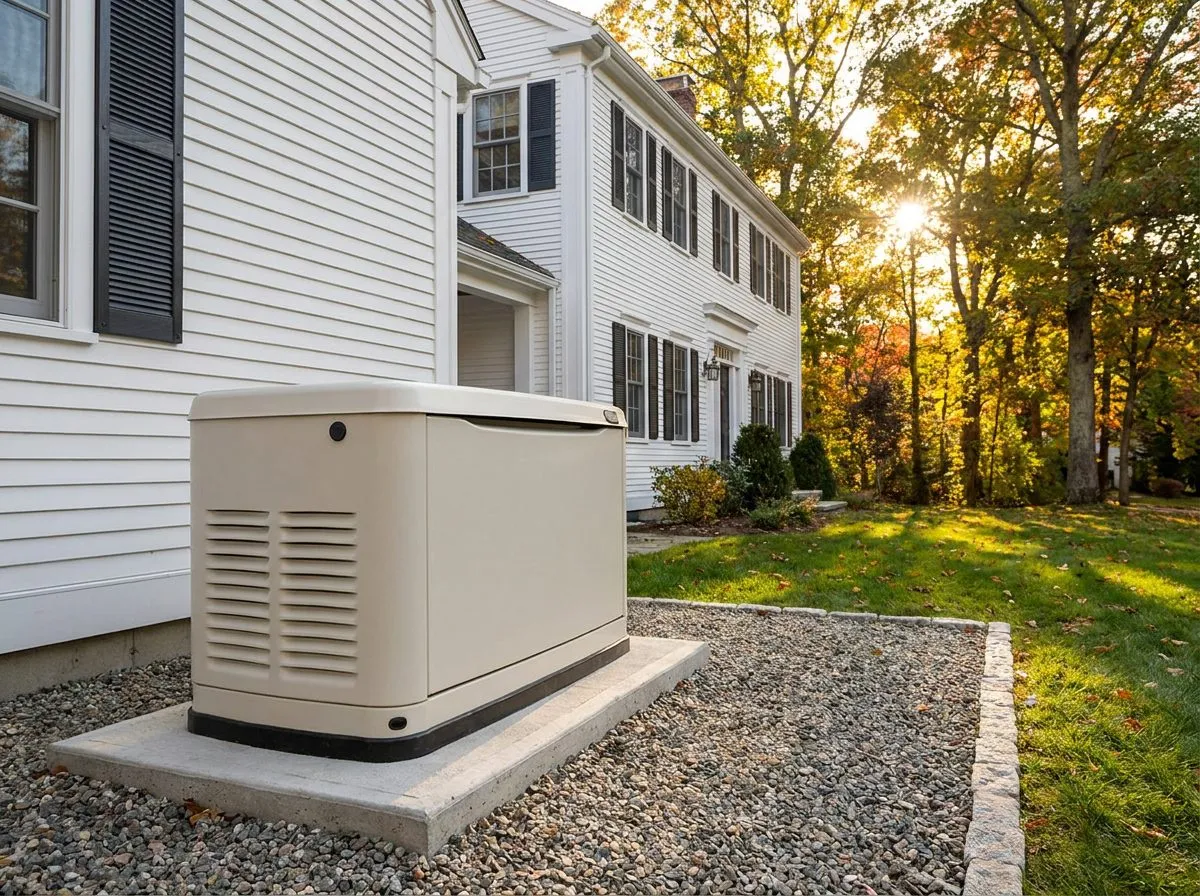
Generator installation on the electrical side means wiring a safe connection between a generator and your home's panel — an interlock kit for a portable unit, or an automatic transfer switch for a standby system. You need it the moment you're tired of losing the sump pump, the freezer, or the heat every time a storm knocks out power. A portable generator connected without an interlock kit risks backfeeding electricity into utility lines — dangerous for repair crews and against code. A standby system sits outside, wired through a transfer switch that starts it automatically when the power drops, no manual hookup required.
How EMC Handles The Electrical Side
EMC installs and wires the interlock kit or transfer switch and pulls the permit for that electrical work, under Massachusetts Journeyman Electrician license 56576B, with an inspection before it's live. A standby system's fuel line — natural gas or propane — is a separate job under a separate license: a Massachusetts-licensed gasfitter installs and permits it under their own license. EMC performs no gas work. We wire our side, they pipe theirs, and the schedules line up so the project moves.
NEED AN ELECTRICIAN WHO CAN HANDLE ALL OF IT?
One call covers the wiring, the heat, and the whole remodel.
What Actually Drives The Cost
A portable generator with an interlock kit is the lower-cost entry point — you already own the generator, and the kit is a relatively contained electrical job. A standby system costs considerably more once you add the unit itself, the concrete pad, and the transfer switch wiring — plus the fuel connection, which is its own separate line item from a licensed gasfitter. Sizing matters too — a setup built to run just a sump pump and refrigerator is a different job than one built to carry most of the house. Get a real number after a load calculation, not a generic size off a shelf tag.
Old Boston Housing And Outage Risk
Triple-deckers and older single-families here often run on electrical service that wasn't planned around a generator connection, so panel condition and available space matter as much as the generator itself. Basements prone to water are common in this housing stock, which is exactly why sump-pump protection is often the real priority behind a generator purchase, not whole-house power. Condo buildings add another layer — a standby unit serving shared space usually needs association approval before it goes in.
Why The Interlock Or Transfer Switch Has To Be Licensed
A generator connected wrong doesn't just risk your house — backfeeding the grid can injure or kill a utility worker repairing the line you think is dead. That's not a risk worth an unlicensed shortcut. EMC pulls the permit on every interlock kit and transfer switch installation and gets it inspected, so the connection is verified safe by someone independent, not just installed and hoped for.
ANSWERS
COMMON QUESTIONS
Can I just run extension cords from a portable generator into my house?
Don't. That risks backfeeding the utility line, which can be lethal to repair crews. A portable generator needs a properly installed interlock kit to connect safely.
Do you install the gas line for a standby generator?
No — gas line work falls under a gasfitter's license, not an electrician's. EMC handles only the electrical side: transfer switch, panel wiring, and our own permit. The fuel connection is a licensed gasfitter's job under their own license and permit; we schedule our work around theirs.
Do standby generators need a permit?
Yes. EMC's electrical connection is permitted and inspected. The fuel line needs its own permit, pulled by the licensed gasfitter who installs it. Neither step is worth skipping on equipment like this.
How do I know what size generator I need?
Sizing depends on what you want to keep running during an outage — just the essentials or the whole house. A licensed electrician can calculate your actual load instead of guessing from a store display.
NEED AN ELECTRICIAN WHO CAN HANDLE ALL OF IT?
One call covers the wiring, the heat, and the whole remodel.