
Electrical — Panel and Service Upgrades
A Panel Built For What Your House Runs Today
Licensed and Insured
MA Journeyman Electrician 56576B · CSL-120231 · HIC-21274.
Upfront Pricing
A straight scope and an honest price before any work starts.
Same-Day May Be Available
Same-week is normal — call for real emergencies.
What A Panel Upgrade Actually Fixes
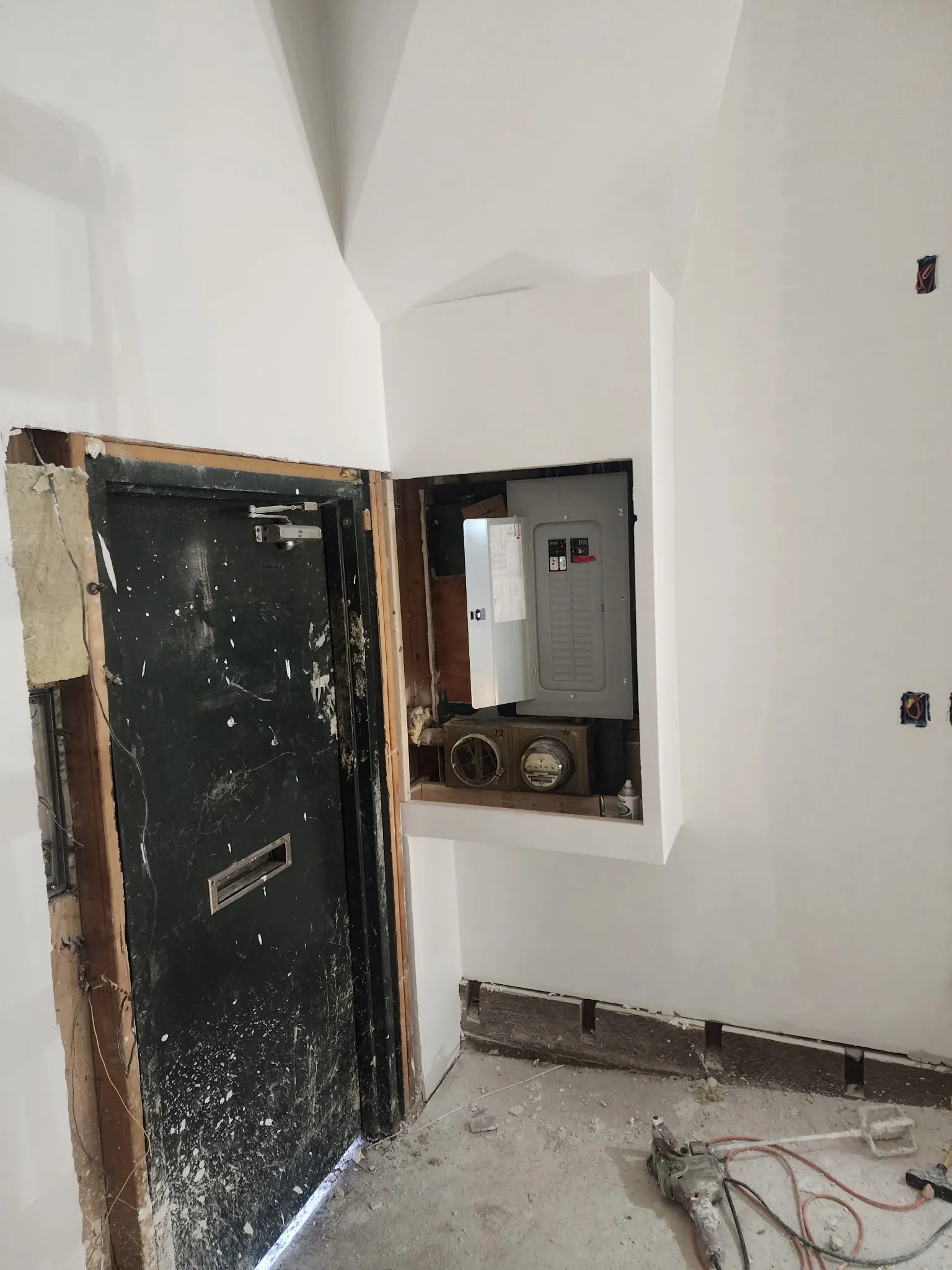
A panel upgrade replaces an old fuse box or undersized breaker panel with one rated to carry what your house actually uses. You need one when breakers trip under normal use, the panel is full and can't take another circuit, or you're still running on 60 or 100 amps in a house with central air, an EV, or a finished basement pulling more than that panel was ever built for. Older Boston triple-deckers and single-families alike outgrow their original service long before the rest of the house shows its age. A double-tapped breaker or a panel with rust or scorch marks is worth acting on, not living with.
How EMC Handles It
EMC pulls the permit and schedules the utility disconnect before any panel gets touched — that's not optional under Massachusetts law, and it's not optional here either. The work runs under Massachusetts Journeyman Electrician license 56576B, with the finished panel inspected before it's signed off. That inspection is what protects you at resale and with your insurance carrier — a panel swapped off the books doesn't show up on paper when you need it to. You get one licensed electrician on the job, not a rotating cast of subcontractors.
NEED AN ELECTRICIAN WHO CAN HANDLE ALL OF IT?
One call covers the wiring, the heat, and the whole remodel.
What Actually Drives The Cost
There's no honest flat price for a panel upgrade over the phone. Amperage is the starting point — bumping to 200 amps often means new service cable from the utility connection and a new meter socket, not just a bigger box. The condition of your existing cable, how much room the panel location has, and whether the utility needs to be involved all move the number. A cheap flat-rate ad usually assumes the easiest version of the job; real houses, especially ones with decades of wiring history, rarely match that assumption. Get a real quote after a real look at your panel.
Triple-Deckers, Condos, And Old Boston Service
A single-family upgrade is contained — one service, one meter, one panel. A condo unit inside a triple-decker or larger building usually means coordinating with the condo association, working around shared risers, and scheduling a utility shutoff that affects more than one household. Neither is harder, exactly, but they're different jobs with different logistics and timelines. Boston's older housing stock also hides surprises — cloth wiring, undersized original service, panels tucked in basements never meant to be touched again. That's normal here, not a red flag, and it's exactly what an in-person visit is for.
Why The License Matters On This Job
A panel carries every circuit in your house — get it wrong and you're looking at fire risk, not an inconvenience. Massachusetts requires a licensed electrician for this work and a permit with inspection for good reason: someone independent checks it before it's buried behind a cover plate again. EMC holds Journeyman Electrician license 56576B and doesn't skip the permit to hit a lower price. If a company won't say who's licensed or won't pull a permit, that's the question to ask before they touch your panel.
IN YOUR TOWN
Panel Upgrades, Town by Town
ANSWERS
COMMON QUESTIONS
How do I know if I need a panel upgrade?
Signs include a fuse box instead of breakers, service under 100 amps, breakers that trip under normal use, or a panel too full for another circuit. A licensed electrician can tell you in one visit whether an upgrade is warranted.
Do you handle condo panel upgrades in a multi-unit building?
Yes. Condo panels are often a smaller scope than a single-family service, but they usually require condo association approval and coordination around shared risers — we handle both the electrical work and that coordination.
Will you pull the permit?
Yes, on every panel upgrade. Massachusetts requires a permit and inspection for this work, and skipping it is a liability you inherit at resale or with your insurance company.
How fast can you get to a panel that's actively tripping?
Same-week is normal, and same-day may be available depending on the day — call and we'll tell you honestly what's open.
NEED AN ELECTRICIAN WHO CAN HANDLE ALL OF IT?
One call covers the wiring, the heat, and the whole remodel.