
Electrical — EV Charger Installation
Level 2 Charging Your Panel Can Actually Support
Licensed and Insured
MA Journeyman Electrician 56576B · CSL-120231 · HIC-21274.
Upfront Pricing
A straight scope and an honest price before any work starts.
Same-Day May Be Available
Same-week is normal — call for real emergencies.
What EV Charger Installation Involves
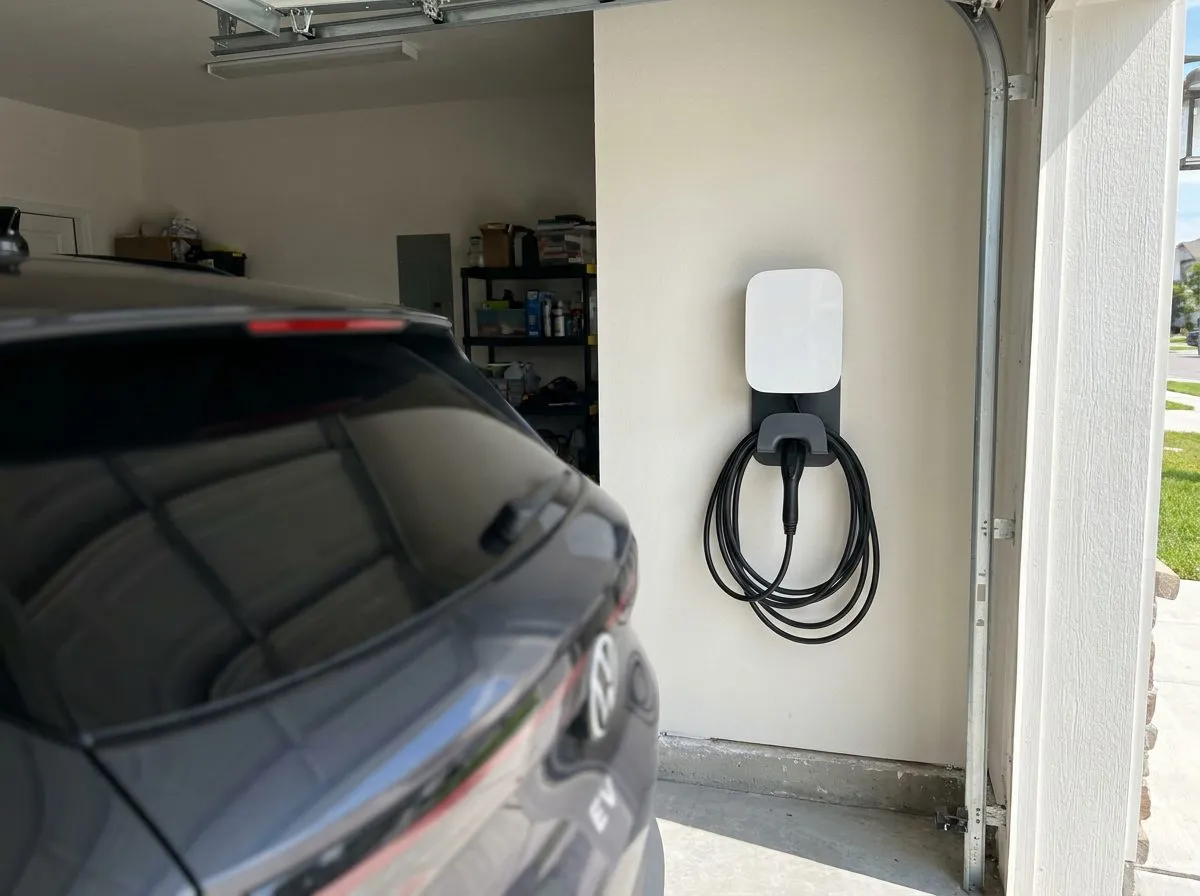
EV charger installation means running a dedicated 240-volt circuit from your panel to a Level 2 charging station, sized to what your panel can actually carry. You need it the moment a standard outlet's overnight trickle charge stops covering your daily mileage. A Level 2 charger pulls steady power for hours at a time — closer to a dryer circuit than a phone charger — which is why the circuit has to be sized and protected correctly, not improvised off an existing outlet. Low-mileage drivers sometimes get by on Level 1 and a standard outlet; most daily drivers end up wanting Level 2 for the faster overnight top-up.
How EMC Handles The Install
EMC starts with the panel, not the charger — checking whether there's capacity for a new 240-volt circuit before anyone talks about charger brands. The circuit gets run, terminated, and permitted under Massachusetts Journeyman Electrician license 56576B, with an inspection before it's live. If the panel doesn't have room, we say so upfront and lay out what a panel upgrade would take, rather than forcing a circuit onto a panel that can't safely carry it.
NEED AN ELECTRICIAN WHO CAN HANDLE ALL OF IT?
One call covers the wiring, the heat, and the whole remodel.
Cost Drivers, Honestly
The charger itself is the easy line item. What actually moves the price is panel capacity — a panel with room for one more circuit is a straightforward job; a full or undersized panel means an upgrade has to happen first. Distance from the panel to where the car parks matters too — a garage a few feet away is a different job than a run across the house to a driveway. Get a real number after we've seen your panel and your parking, not off a national installer's online calculator.
Boston Parking Reality
Street parking, which is how most triple-decker households park, generally rules out home charging — you can't run a permanent charging cable across a public sidewalk. A driveway, attached garage, or a deeded off-street spot is what makes this project real. Condo owners with shared parking need their association's sign-off before any charger goes in, since it touches common electrical infrastructure, not just one unit's circuit. Worth confirming your actual parking situation before spending money on an estimate for a spot you can't reliably use.
Why This Isn't A DIY Circuit
A 240-volt circuit tied into a live panel is licensed electrical work under Massachusetts law, not an extension of a home-improvement weekend. Get it wrong and you're looking at a fire hazard hiding behind a wall, or a charger that trips a breaker every time it's asked to do its job. EMC pulls the permit and gets the install inspected every time — that's what confirms the circuit is safe, not just installed.
IN YOUR TOWN
EV Charger Installation, Town by Town
ANSWERS
COMMON QUESTIONS
Do I need Level 2, or is Level 1 enough?
It depends on your daily mileage and schedule. Level 1 can work for low-mileage drivers who plug in every night; most daily drivers end up preferring Level 2 for the faster charge.
Can I install a Level 2 charger myself?
No. It requires a dedicated 240-volt circuit tied into your panel — that's licensed electrical work with a permit and inspection, not a DIY outlet swap.
What if my panel doesn't have room for the new circuit?
We'll tell you upfront. It usually means a panel upgrade has to happen before the charger circuit — we can quote both together so you see the real scope.
I only have street parking — can you still install a charger?
Generally no. Without a driveway, garage, or deeded off-street spot, running a permanent charging cable isn't safe or legal across a public sidewalk. Worth confirming your parking before booking an estimate.
NEED AN ELECTRICIAN WHO CAN HANDLE ALL OF IT?
One call covers the wiring, the heat, and the whole remodel.