
Electrical — Smoke and CO Detector Certificates
Smoke and CO Detectors Wired For Your Home Sale Inspection
Licensed and Insured
MA Journeyman Electrician 56576B · CSL-120231 · HIC-21274.
Upfront Pricing
A straight scope and an honest price before any work starts.
Same-Day May Be Available
Same-week is normal — call for real emergencies.
What A Smoke and CO Detector Certificate Covers
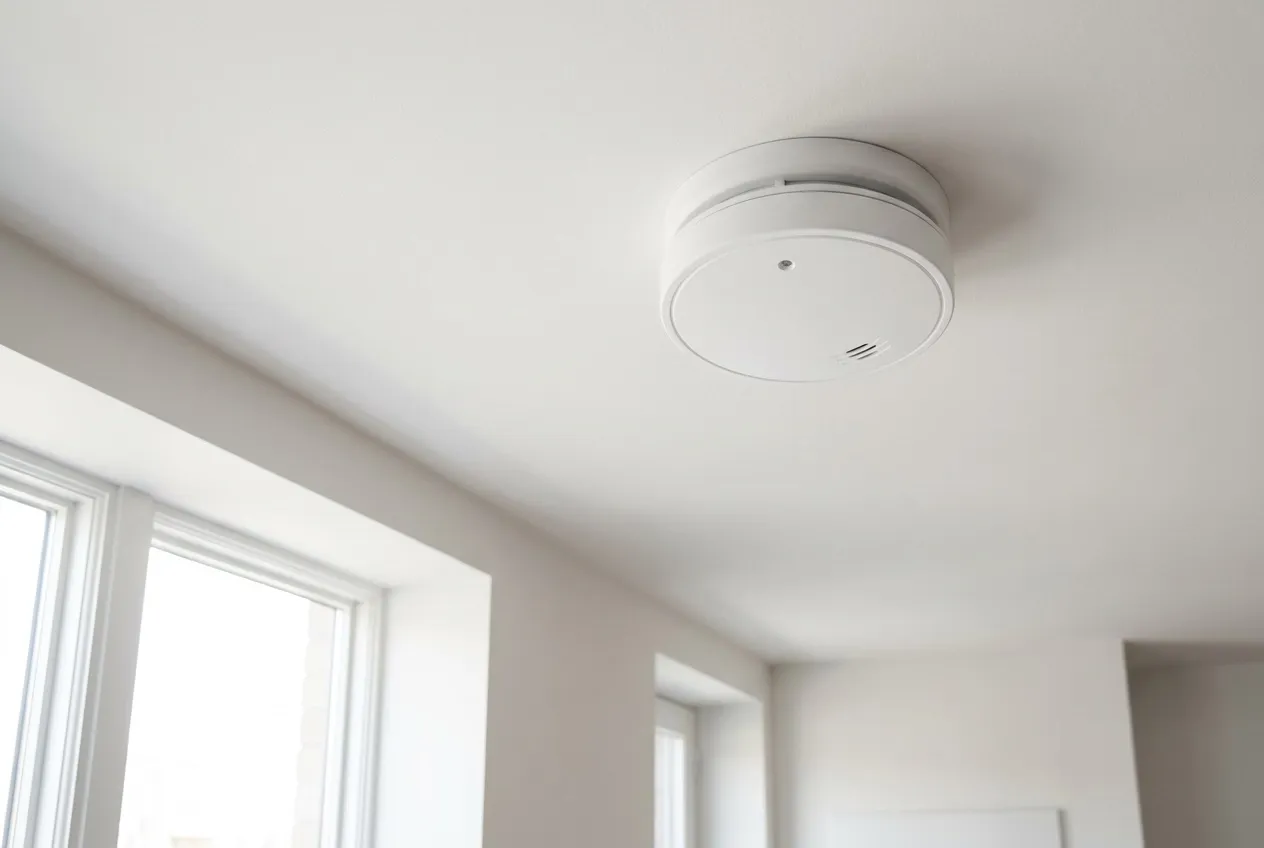
Massachusetts requires a smoke and carbon monoxide detector inspection before most home sales can close. A local fire department inspector checks the detectors already in the house against what's currently required and issues the certificate the closing depends on. Requirements vary by home age and system type — what passes depends on when the house was built, how many units it has, and what's already installed. A lot of sellers find out during this process that detectors that have worked fine for years don't meet what's expected today, especially battery-only smoke detectors in an older triple-decker.
How EMC Gets A Home Ready
EMC walks the house first and checks what's already in place against what the sale is likely to require — hardwired versus battery, interconnected versus standalone, and whether coverage matches every floor and sleeping area. Wiring in new hardwired, interconnected detectors is licensed electrical work performed under Massachusetts Journeyman Electrician license 56576B. Scope varies the permit question — running new wiring where none exists is a different job than swapping a detector that's already hardwired in, and we tell you honestly which applies before work starts.
NEED AN ELECTRICIAN WHO CAN HANDLE ALL OF IT?
One call covers the wiring, the heat, and the whole remodel.
What Actually Drives The Timing And Cost
The number of detectors that need to be added or upgraded is the biggest factor, followed by whether wiring already runs to those locations or has to be fished in fresh. A single-family with a few outdated units is a smaller job than a triple-decker where every floor needs its own coverage brought current. How close you're starting to your closing date matters too — the wiring itself usually isn't the long pole, but getting on the fire department's own inspection schedule can take longer than people expect.
Triple-Deckers And Multi-Unit Sales
Boston's triple-deckers complicate this in ways a single-family doesn't — each unit being sold typically needs its own inspection, and older buildings often have a mix of detector generations from different renovations over the years. Condo sales add another layer if any of the wiring runs through common areas the association has a say over. None of this is unusual for this housing stock; it's exactly why starting the electrical work early, before a closing date is locked in, saves everyone the scramble.
Why This Isn't A Battery-Swap DIY Job
The certificate itself comes from the fire department, not from EMC — our job is making sure the detectors are wired, placed, and interconnected to meet what's required so the inspection actually passes. Hardwiring a new detector into house wiring is licensed electrical work, not a battery change, and a permit gets pulled when the scope calls for it. Skipping that step to save time is exactly what turns into a delayed closing when the inspector finds it.
ANSWERS
COMMON QUESTIONS
Do I need a smoke and CO detector inspection to sell my home in Massachusetts?
Massachusetts requires a smoke and carbon monoxide detector inspection before a home sale closes. Requirements vary by home age and system type, and the fire department does the inspection and issues the certificate — EMC's job is making sure the detectors are wired and placed to meet what's required.
Do my detectors need to be hardwired, or is battery-only enough?
It depends on when your home was built and what's already installed. Older homes with battery-only detectors often need to be upgraded to hardwired, interconnected units — we evaluate what you have and tell you honestly what has to change.
How far in advance of closing should I schedule this?
As early as you can. The wiring work itself is usually quick, but the fire department's own inspection scheduling is out of our hands, and closing dates don't move for a backed-up inspection calendar.
Do you issue the certificate?
No — the fire department inspects the finished work and issues the certificate, not EMC. We install and wire the detectors to meet current requirements so the home is ready to pass when that inspection happens.
NEED AN ELECTRICIAN WHO CAN HANDLE ALL OF IT?
One call covers the wiring, the heat, and the whole remodel.