KNOB-AND-TUBE REPLACEMENT — CAMBRIDGE
Permitted Knob-and-Tube Replacement for Cambridge Multifamilies
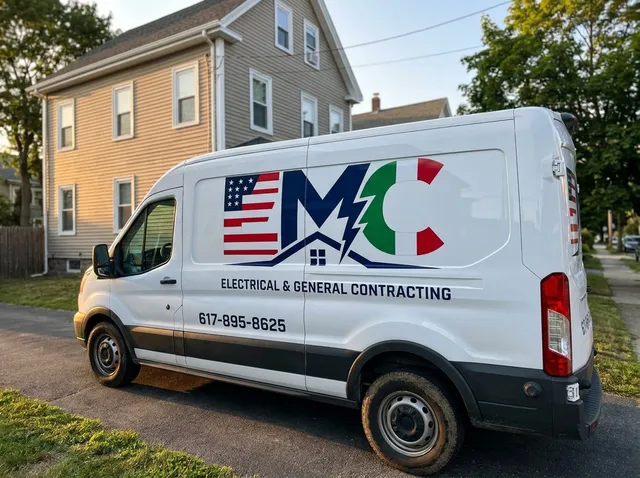
Cambridge's older multifamily buildings — the two- and three-family houses near Central Square and older streets off Massachusetts Avenue — carry knob-and-tube at roughly the same rate as similar-age housing anywhere in the Boston area, but the city's rental stock and its permit-conscious Inspectional Services process add a layer landlords in particular need to plan around. A rewire that isn't permitted and inspected properly is a liability that follows a rental property, not just a one-time inconvenience. EMC is a little over four miles from Cambridge and works with both owner-occupants and landlords here.
Old Multifamily Meets Heavy Rental Stock
A large share of Cambridge's housing near Central Square, Inman Square, and the older sections off Mass Ave is multifamily — two- and three-family buildings, many of them fully or partially rented rather than owner-occupied. That combination of older construction and rental use raises the stakes on wiring condition: a landlord carries more liability for an unsafe electrical system than an owner-occupant does, and tenants have less visibility into what's actually behind their walls than a homeowner would. Knob-and-tube in a rented Cambridge unit is a problem the landlord needs to know about and act on, not something to wait out until a tenant complains.
Cambridge's Permit Process
Cambridge is known for being methodical about permitting and inspections, and electrical work is no exception — the city's Inspectional Services Department reviews the permit and inspects the finished job before it's signed off, the same core structure as Boston and every other municipality EMC works in, just administered by a different local office. EMC handles the permit application and coordinates the inspection directly, so the process doesn't fall on the property owner to navigate on their own. That matters most for landlords juggling multiple properties across different cities, where keeping straight which office handles which permit is its own small headache.
Rewiring an Occupied Rental
Replacing knob-and-tube in a unit that's currently rented takes more coordination than an owner-occupied job — tenants need real notice, access has to be scheduled around their schedule where possible, and the work itself still needs to happen room by room with power interruptions kept short. It's manageable, and most Cambridge landlords who've been through it once build the process into how they turn over a unit between tenants rather than treating it as an emergency, scheduling the rewire for the gap between one tenant moving out and the next lease starting.
ANSWERS
COMMON QUESTIONS
I own a rental property in Cambridge with knob-and-tube — what's my responsibility as a landlord?
Massachusetts landlords are expected to maintain safe electrical systems, and insurers increasingly flag knob-and-tube on rental properties specifically. A permitted, inspected replacement protects you and your tenants and avoids the wiring becoming a liability issue later.
Does Cambridge have different permit requirements than Boston?
The city administers its own permits through Inspectional Services rather than Boston's office, but the core requirement is the same — a permit before the work and an inspection after. EMC handles that process for Cambridge jobs directly.
Can you rewire a unit while a tenant is still living there?
Yes, this is common. It takes more scheduling coordination and proper tenant notice, and the work proceeds room by room with power interruptions kept as short as possible.
MORE IN CAMBRIDGE
Other Work We Do In Cambridge
KNOB-AND-TUBE REPLACEMENT ELSEWHERE
The Full Knob-and-Tube Replacement Page
Cost drivers, how EMC handles the job, and licensing — the citywide deep-dive.
See Knob-and-Tube Replacement →Need Electrical or Contracting Service?
One call covers the wiring, the heat, and the whole remodel — licensed, insured, and based right here in Greater Boston. Same-week service is standard, and same-day may be possible for a real emergency — call and ask what's available today.